Mile Cross Depot

In 1958 Norwich City Council decided it would be a good idea to move their entire labour force to a brand new and centralised depot named The “Norwich City Works Department”. The new depot was to be located Just off Mile Cross Road, opposite Harmers Clothing Factory and the junction of Havers Road and it was to be built on 6.5 acres of former allotments and farmland situated in the fairly wide depression here at the bottom of the Wensum Valley.

The new depot officially opened its gates to its workforce in 1965, although most of the workers would have already being there for some time already, considering it was their job to construct their new premises. The marshy ground of the valley floor had been being steadily firmed-up since the Second World War when the area had was increasingly being used as a dumping ground for landfill and hard-core, most of being transferred here from the destroyed buildings of the nearby bomb sites around the St Benedict’s and Dereham Road area.

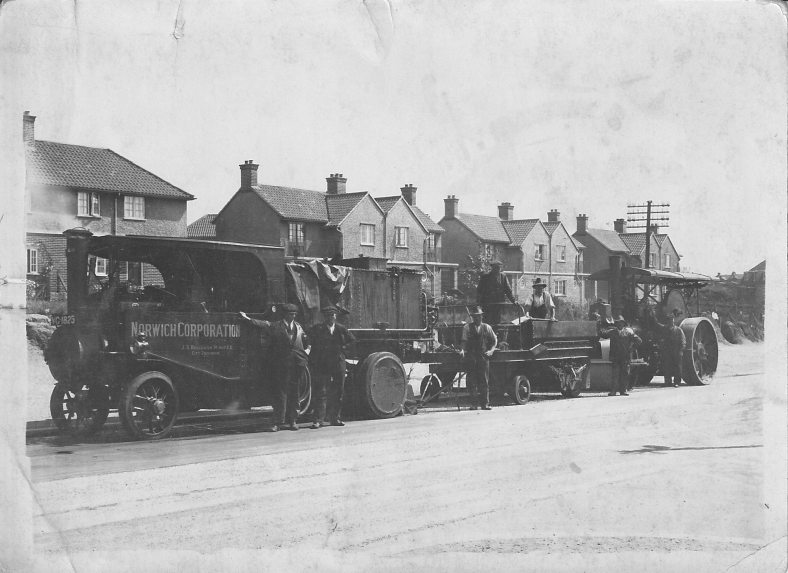
You can see it slowly taking over the allotment space as it’s being flattened out by a Corporation Steam Roller in this 1948 Britain From Above image of the area:

MXBFA Continue reading “Mile Cross Depot”

Crosses for miles

If you think of the original Mile Cross Estate as a triangle with the Southern point being where the Aylsham and Drayton Roads head off in separate directions towards their namesakes, the other two points of the estate triangle sit at either end of the aptly-named Boundary Road as the two roads leave the city and head off out into Norfolk.
Here the City and County of Norwich becomes (or became) the County of Norfolk.
County of Norwich? Yep, Norwich was still technically a County, even as recently as 1974. Back in 1404 the City of Norwich was made into a separate County (or a County Corporate) and it became independent from its host County of Norfolk. Like a lot of the rapidly-growing towns and Cities, Norwich was deemed important enough to become independent from its county, which (amongst other things) gave it a few extra privileges with regards to self-government that a City wouldn’t normally receive. Norwich was rapidly becoming England’s 2nd most important City only being out-ranked by London. An interesting point to add here is that the City of Norwich – inside the walls – was actually larger than the City of London. Continue reading “Crosses for miles”

When the bombs fell

I’ve already mentioned the Second World War a few times on this blog and it’s hardly surprising; the estate was built partly as a by-product of the First World War and before the freshly-planted trees and gardens had a chance to mature, the clouds of war were bubbling up once again, and It wouldn’t be too long before their shadows began to fall across the lands and its new estate once more. Continue reading “When the bombs fell”

Bloody vandals

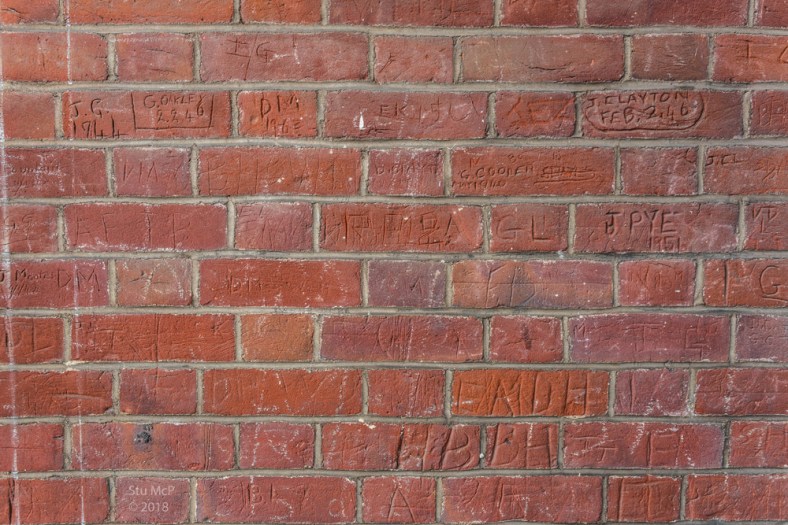
Just a short entry tonight after I spotted something of interest as I was dropping off some donations to the Hallswood Animal sanctuary Charity Shop on Drayton Road. On the wall opposite the entrance and next to one of the residential doors is a concentration of ‘graffiti’. On closer inspection some of the inscriptions are quite old. Admittedly they’re not going to get any of the medieval graffiti experts too excited but the shops were only built in 1929.
MXVandAfter a quick zoom in on Photoshop this small section of wall revealed quite a few initials and dates: Continue reading “Bloody vandals”

Drayton Road

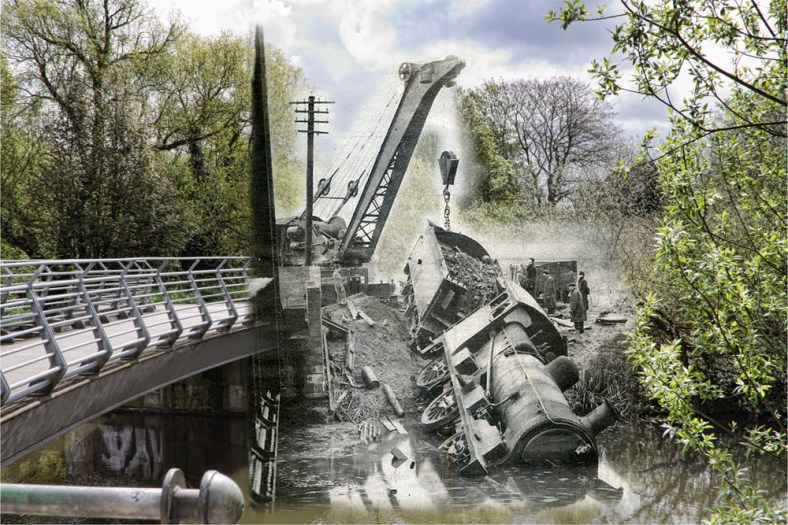
I recently stumbled across three fascinating images taken along the section of Drayton Road stretching from the Lidl roundabout to the junction at Asda. I’ve covered Drayton road fairly comprehensively over the course of this blog and those stories can be found below (all worth a read if you haven’t already):

Nigel Neale

The Dolphin Tragedy

Retail Therapy

Chalk and Putty

The Slough and the Knight

Shoes to shoe boxes

Little bits of History

Topography to the Point

So in this short entry I’m just going to share the images in question and go into a little bit of detail about what we’re looking at one by one.

I’ll start off with this fascinating image kindly provided by Don Thorpe:27709613_10156190490998793_7938530565865381547_o Continue reading “Drayton Road”

Chalk and Putty

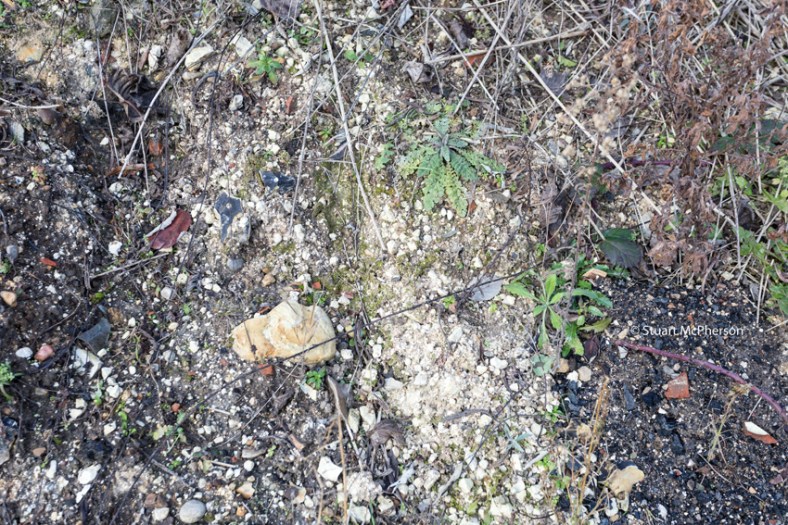
Our beloved Mile Cross is sat on a bedrock of chalk, and on top of this chalk sits the deposits of gravels and clay left behind when the Ice sheets receded during the last Ice age. For millennia after the Ice sheets retreated northwards from where they came, the Wensum has been hard at work, slowly stripping back those layers as it snakes its way back and forth across the landscape, digging out what is now the Wensum Valley and helping to define the topography of the Estate we are familiar with now.

As it does so it exposes the chalk bedrock making it easier for the many generations of humans to excavate:Putty9 Continue reading “Chalk and Putty”

I’m ‘Council’ and I’m also a human being.

When some people hear the phrase “Council Estate” they tend to form an image or opinion in their head. Often that image or those opinions can be slightly misguided. Read on…

The state of housing in the late Victorian era was becoming increasingly more dire as the century went on, partly because various initiatives to improve housing and sanitation had failed and partly because of a massive population explosion taking place in all of the major cities across the United Kingdom, further adding to the problem and ironically being the main reason that most of those initiatives were failing in the first place. The population of Norwich had more than doubled between 1801 and 1851 and this was leading to an increasingly severe shortage of housing and local amenities. Only the privileged tended to own their own homes whilst the rest of the working classes were left to put up with increasingly-expensive private rents whilst being restricted to the cramped and unsanitary conditions of the yards and terraces that were emerging all over Norwich as a by-product of the 19th century.

The housing and it’s associated welfare issues were becoming too large to ignore and It was time for change.

The Public Health act (which went by the rather catchy title: An act for consolidating and amending the Acts relating to Public Health in England ) was finally published in 1875 and in a nutshell it stated that state-owned housing needed to be built and that this housing needed to be built to a high standard; with running water, toilets and bathrooms, good light, plenty of space and with good local amenities.

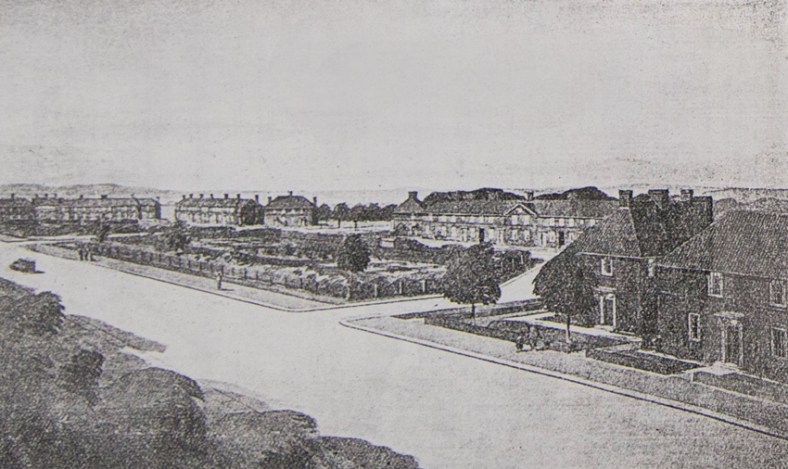
One of the drawings from the Mile Cross plan:Mile Cross Vision

Continue reading “I’m ‘Council’ and I’m also a human being.”

The Boundary

Boundary Road 2017When you’re sat in one of the 5 lanes of traffic crawling along Boundary Road at a snail’s pace it’s hard to imagine that less than 100 years ago this now-vital traffic artery was little more than a rural path; a single-tracked sandy lane, rather conveniently named: ‘Sandy Lane’ up until the early 1900’s, before being renamed as the ‘Boundary Road’ we all know and ‘love’ today. Continue reading “The Boundary”

Kodak Brownie 127. Sort of…

It’s been a while since my last post but that’s because I’ve had my fingers in so many little pies that I haven’t had the chance to stop long enough to concentrate on any one thing. Anyway, before my next post about Mile Cross (yes, there is one on the way) is this post about a little Kodak Brownie 127 that was given to me on New Years Eve. I was with a lovely lady named Cecilé, who was showing me around the barn at the back of her pub, The Marlpit Arms – the barn section of which will hopefully be part of a wedding venue overlooking the nearby meadow when planning is granted – anyway, I digress. As Cecilé was showing me her grand plans for the barn, I spotted an old Kodak Brownie 127 sat on a dusty window ledge that didn’t look like it had been moved for decades. Cecilé kindly let me have the old camera and I took it home with me. On closer inspection I found that – unfortunately – there was no film inside and no mystery photos from the past for me to develop. I put it on the shelf with the rest of the camera gear and decided that I would take to Google to see if I could find some 127 film to fit it.Brownie0 Continue reading “Kodak Brownie 127. Sort of…”