The History of Sweet Briar Marsh

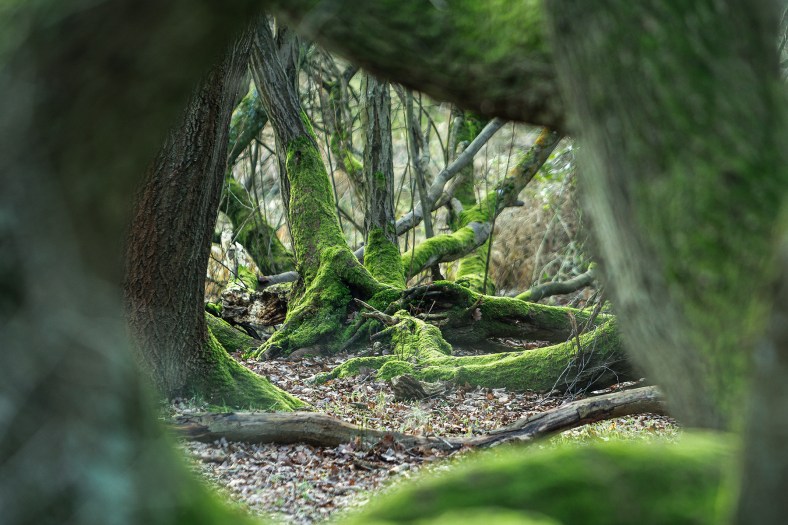
Sweet Briar marshes are both close to my home and close to my heart, situated less than five hundred meters away from my back garden and a place I loved exploring as a child. They’re a place where you can escape to and forget that you live within an ever-expanding city, seemingly intent on gobbling up all the lovely green bits that surround it. It’s also often fondly remembered by some of the veteran Mile Cross residents who would sneak across the railway lines, avoiding the railway police and the farmers to indulge in some dyke-jumping or to collect tadpoles. At thirty-six hectares the marshes are relic of the wet meadows that straddled the rare chalk stream named the river Wensum (which is the Anglo Saxon word for winding) all the way from its source out at Whissonsett in a remote part of the UK’s driest and flattest county, to it’s confluence with the river Yare just east of the city. There are only 210 of these rare chalk streams in the world, of which 160 (73%) are to be found here in the UK, many of which can be found right here in Norfolk. The largest being our very own river Wensum, which also happens to be one of the finest examples in the country. The Wensum glides by the southern edges of our estate from Hellesdon, entering under the fairly recently added Sweetbriar Bridge of 1933, before opening out nicely as the Sweetbriar and Mile Cross marshes right on our doorstep. From there it meanders at a leisurely pace right into the centre of our city, creating a little slither of green, an unusual little oasis of nature right up until the point it drops into the city (literally) over the sluices at New Mills Yard. From here on in the river is once again tidal as it merges into and rather confusingly gets consumed by it’s smaller sibling, the River Yare, which then transports the ghost of the Wensum all the way out to sea at the Yare’s mouth or Great Yarmouth. Wouldn’t ‘Great Wensumouth’ sound much better? From here it makes its way back into the atmosphere only to be dumped on the land once again upstream to start the whole cycle all over again.
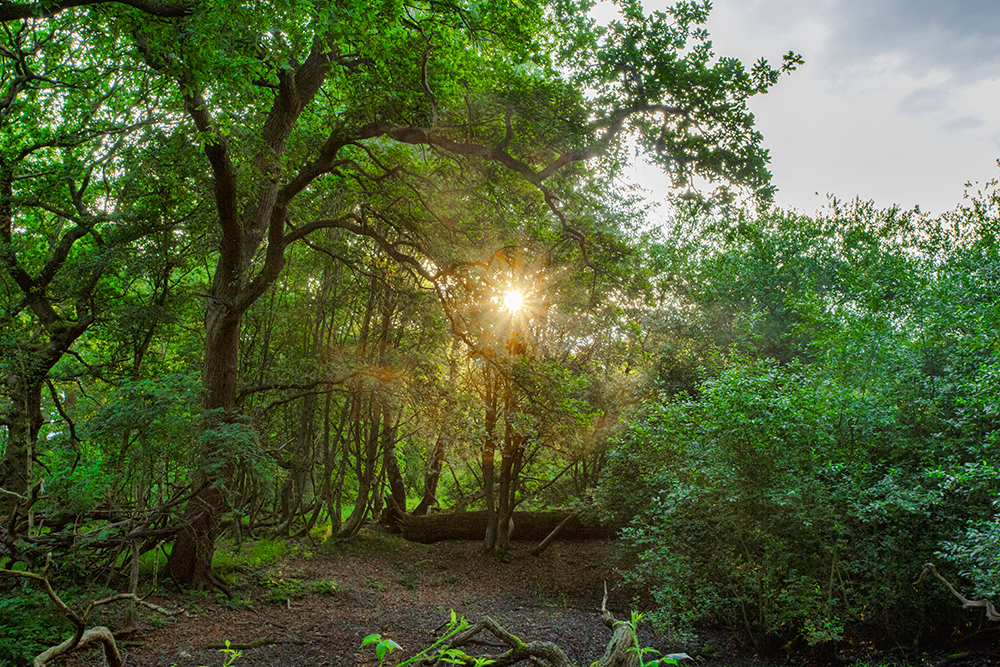
Evening sun on Sweetbriar marsh
Continue reading “The History of Sweet Briar Marsh”

The Tale of the Wensum Dipper

I have told the tale of the Wensum Dipper in the past, but that piece was written a while back now, and since then some new details and images have come to light in a massive collection of images and information about the history of Norwich, kindly given to me by another Mile Cross Resident, which has helped to shed some more light on this peculiar episode. For those of you who didn’t read the original piece, written way back in 2018 (have I really been running on for that long now? Mad), the story was fairly straight forward: A mix up with a set of points at the exit of the railway yard at City Station meant that a locomotive pulling a long train ended up in the murky waters of the Wensum. I managed to fill in some of the gaps with some living recollections, a bit of local knowledge, including some fine research by my good friend and fellow Mile Cross lad (and one of our Norfolk Railway Heritage Group experts) John Batley, and a little bit of educated guesswork. Now knowing more detail, it seems that we had got some of the finer details spot-on with some of our educated guesses, which is always comforting to know.

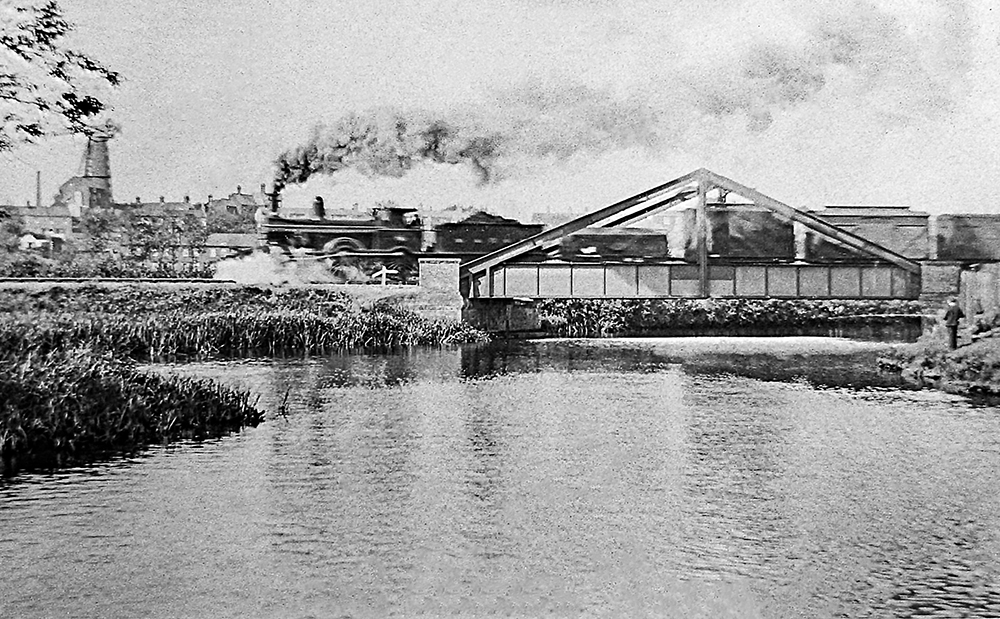
The scene of the accident, captured in this wonderful, early image of the distinctive A-Frame bridge.
Continue reading “The Tale of the Wensum Dipper”

The Mile Cross Railwayman: “Puffing” Billy Beeston

Way back in 1928 a couple going by the names of William and Dorothy Beeston (Billy and Doll) moved into their new home right here in the middle of the Mile Cross estate. Both born in 1900 and aged 28, they’d travelled up from Suffolk to live here and the reason for their relocation across the border and into Norwich was in pursuit of a new career and a new life.

Billy had decided to move up to Mile Cross to try and make a life-long career out being a railwayman. As was the norm back then, he would have had to work incredibly hard in the pursuit of his dreams, starting at the very bottom and working his way up through the ranks, which was the only way when chasing a life on the rails. Luckily, young Billy had managed to land himself a job as an engine cleaner at Thorpe Station’s Shed 32A working for London and North Eastern Railway (LNER), which would turn out to be his first step on the long ladder towards his dreams of becoming a steam-engine driver.

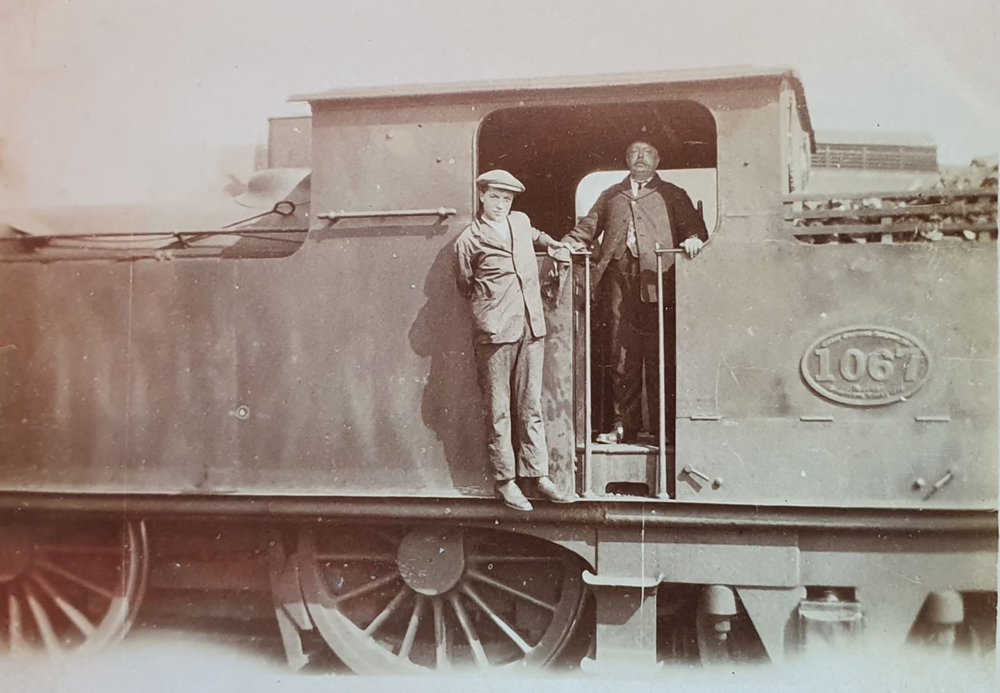
MX Beeston 1aA young-looking Billy, posing on the side of an F3 2-4-2T loco, dreaming of one day becoming a driver. Continue reading “The Mile Cross Railwayman: “Puffing” Billy Beeston”
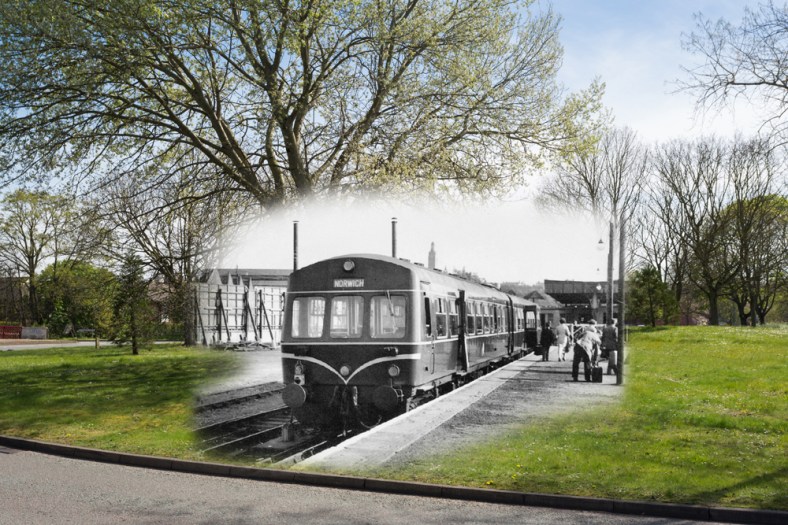
A ghost redone, redone. And a point, laboured…

I don’t normally dedicate a whole blog post to just one photograph, particularly one not taken inside Mile Cross, but this one has some history with a bit of a rant attached, and because the blurb for the original photograph on Flickr started to resemble a blog entry in itself, I thought I might as well drag it out a little for the sake of my sanity. Read on. Continue reading “A ghost redone, redone. And a point, laboured…”

The M&GN and me – chasing ghosts to the coast.

Ever since I was just a boy I’ve been more than a little bit obsessed with an old, abandoned railway line skirting the southern edge of the Mile Cross estate between the back of Sloughbottom Park and the River Wensum. In more recent times we’ve come to know this former railway as a footpath/cycleway named the “Marriott’s Way” and if you’ve ever wondered why the footpath is named this way, read on. Continue reading “The M&GN and me – chasing ghosts to the coast.”

Lady Jane

It was and a cold and miserable November day here in Norwich during the later stages of World War Two (November the 24th, 1944) and the clouds were hanging heavy and grey over Horsham St Faith’s Airfield. These low, heavy, lead-coloured clouds weren’t just blighting the Norwich skyline, they were stretched far across western Europe, putting a much-needed and very welcome pause to the deadly and destructive European Air War. Sitting patiently upon the airfield’s aprons of Horsham St Faiths were a collection of freshly-fuelled American B24 Liberators, waiting to be given the all-clear to head off and up into those grim and murky skies that were persistently lingering over Norfolk and out across the continent. The young American airmen crammed into these large bombers must have felt fairly relaxed, for today they wouldn’t be putting their lives in danger by heading out across the North Sea and deep into enemy airspace; instead, they were about to take advantage of this bad weather and head off up into the low-hanging clouds for some much-needed, low-visibility flight training. Continue reading “Lady Jane”

The Inner-Link makes its mark and the end of City Station.

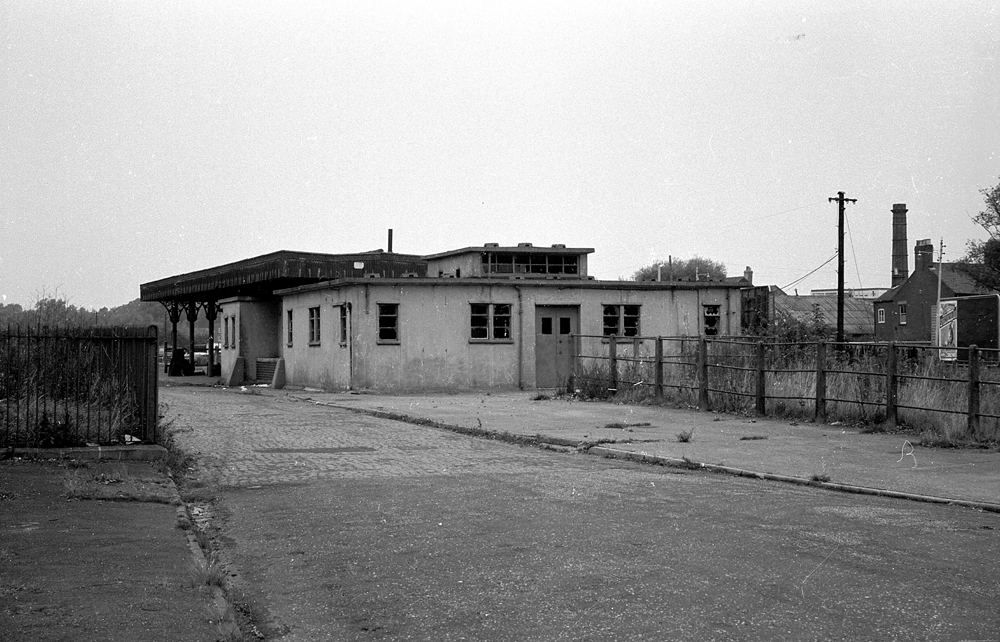
Going on from the last piece I wrote at the end of 2018 about Anglia Square, I was recently reminded of a Saturday afternoon back in 2011 when we were working on the Norwich City Station site as part of the Friends of Norwich City Station (FONCS) project. An elderly gent had come along to view our progress and he had brought along with him an envelope containg a handful of old negatives that he’d taken when he was younger. He said that they may be of some interest to us and kindly allowed me to borrow them, I just wish I could remember his name.

After I’d had them scanned I could see that they were taken throughout the 1960’s and were all taken in and around the City Station area, whilst the roads and buildings were being cleared in anticipation of the answer to all our dreams: The Inner-link Road. This road was about to be laid right through some irreplacably-historic parts of old Norwich, almost encircling the entire city as it went, like a really crap version of the City Wall. It was also going to go right over the top of the now-closed railway terminus made famous by the much-missed Midland and Great Northern Railway, the remains of which us dipsticks decided to try and dig up some half a century later.

blog5

Continue reading “The Inner-Link makes its mark and the end of City Station.”

Honing and HOD – Heritage Open Days.

As I’ve probably mentioned before (countless times), I’m quite involved with local Railway History. It all started when my friends and I decided to take it upon ourselves to expose the remaining platform wall at the former M&GN Norwich City Station site and it’s kind of steam-rolled its way on from there, flattening out swathes of my spare time as it goes.

My Norfolk Railway Heritage Group Team is involved with the preservation of a few Historical Railway sites around the county, including Felmingham Station, Honing Station, Hellesdon Station and of course Norwich City Station. We also (when we get the chance) head off out into the deepest and darkest parts of the Norfolk Countryside to explore the abandoned Stations and lines that stretch from one corner of Norfolk to the other. There isn’t much of the old M&GN network that we haven’t explored, which at times has taken us into some interesting places and into some funny old situations, including once getting a little too close to a Farmer with a shotgun who didn’t realise I was there!

Anyway, back when we were just FONCS, we were making great progress at City Station, we were clearing the platform, exposing sleepers and track furniture, landscaping the area so that it resembled a platform and track-bed again and (as an unexpected by-product) helping to reduce the crime rate in that part of the City whilst we were at it. That was until the penny dropped for Norfolk County Council who had suddenly come to realise that the site was actually their responsibility and not that of the City. Norfolk County Council gave us the heart-breaking news that because it was an unexpected and potentially-expensive liability, we had to down tools with immediate effect so that they could try and sell it off. More on that later.

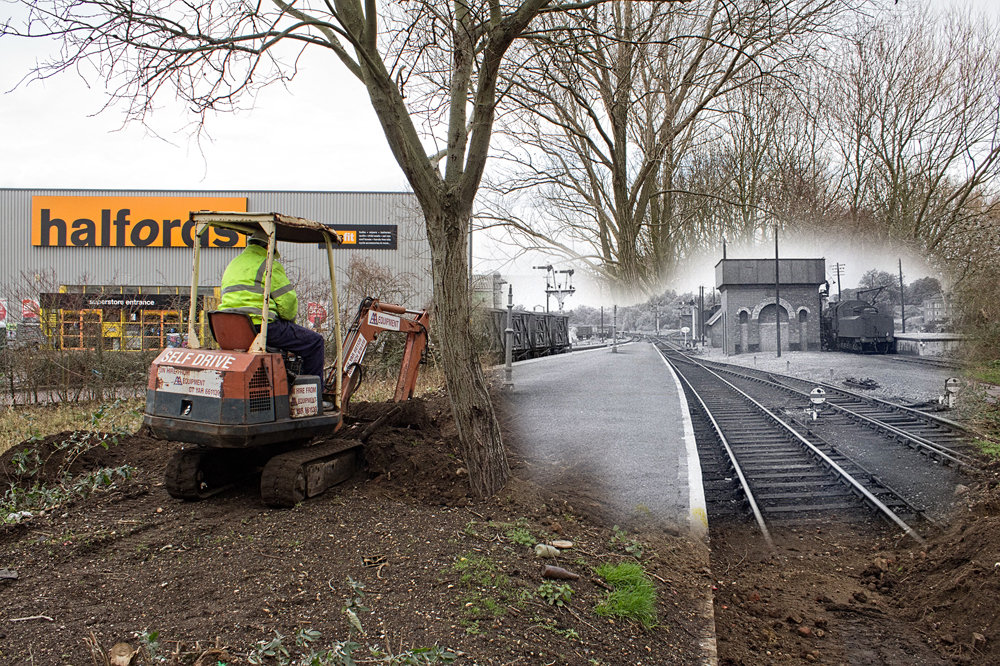
A Ghost image of Norwich City’s Platform 1, created by myself back in the good old days of FONCS:MXHoning19 Continue reading “Honing and HOD – Heritage Open Days.”

Hellesdon Station Part 3

Having written Hellesdon Station Parts 1 and 2 I thought I’d pretty much written all I could about this long-forgotten railway station, hidden away in a quiet little corner of old Hellesdon. I was wrong. Not long after hitting ‘submit’ and setting ‘Hellesdon Station Part 2’ free and into the wilderness of the world-wide interwebs, I was contacted by a lady who it seems was very glad to have found somebody else with a keen interest in this little part of very localised History. Continue reading “Hellesdon Station Part 3”