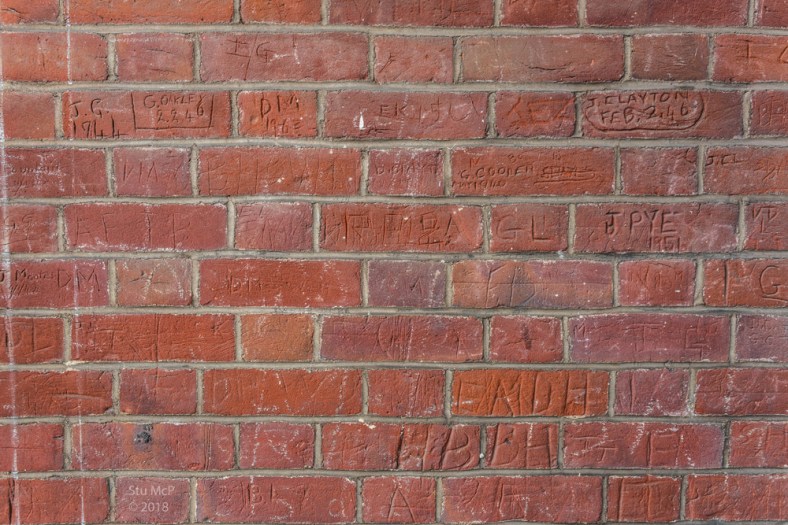
Just a short entry tonight after I spotted something of interest as I was dropping off some donations to the Hallswood Animal sanctuary Charity Shop on Drayton Road. On the wall opposite the entrance and next to one of the residential doors is a concentration of ‘graffiti’. On closer inspection some of the inscriptions are quite old. Admittedly they’re not going to get any of the medieval graffiti experts too excited but the shops were only built in 1929.
After a quick zoom in on Photoshop this small section of wall revealed quite a few initials and dates: Continue reading “Bloody vandals”
Category Mile Cross
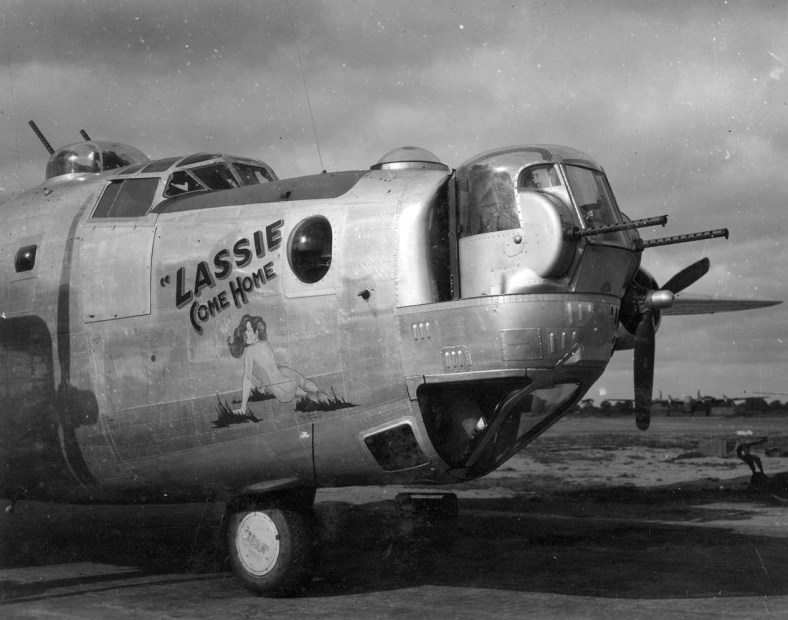
Dick’s Story: Lassie Come Home.
You may have read the last blog entry about a tragic accident that happened on the estate towards the end of the Second World War. A Consolidated B-24 Liberator of the USAAF crashed on its final approach to the Horsham St Faith Airbase killing 8 of its 9 crew, two young children and changing the lives of their friends and family forever. If you haven’t read it already, I recommend that you do so first before reading this entry and that blog entry can be found by clicking this link.
After sharing the story on Social Media I was rather taken aback by the positive response it received and it has probably been the most-read (and commented) post of this blog so far.
One of the many people who commented on Social Media was a ‘Dick Kemp’. Dick (Richard) Kemp was the young lad whose garden the plane came down onto and it was his sister and cousin who were killed along with the American Airmen. Shortly after commenting on the post Dick sent me an email asking if I’d forward him the story so that he could share it with his extended family. Of course I obliged and emailed it over. It was another one of those fantastic moments where somebody who I’ve been researching or photographing the history of has appeared to me in person, just like when David Jackson appeared at one of my exhibitions a few years ago. Whilst I had this fine Gentleman’s attention I thought I’d chance my arm and ask him if he’d mind sharing his thoughts and memories on the incident.
Continue reading “Dick’s Story: Lassie Come Home.”
Lassie Come Home
In the northern corner of the estate and just behind the Boundary Pub is a quiet little cul-de-sac named Spynke Road. Like a lot of the roads up there it didn’t start off this way and used to share a junction with Boundary road. It has since been closed off to stop people rat-running through the estate and to reduce accidents along the now insanely busy Boundary Road. Because of these road closures the area now has a strangely quiet and closed-off feel but with the unrelenting background drone of of traffic. Continue reading “Lassie Come Home”
Drayton Road
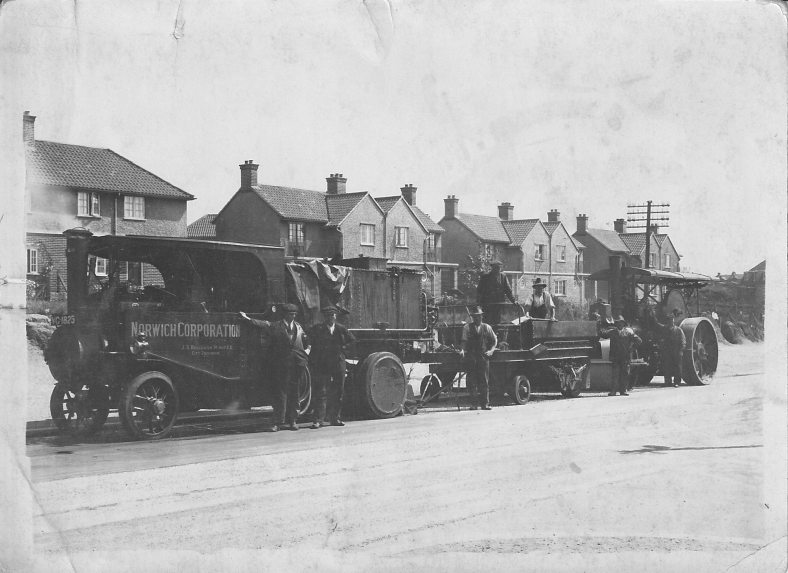
I recently stumbled across three fascinating images taken along the section of Drayton Road stretching from the Lidl roundabout to the junction at Asda. I’ve covered Drayton road fairly comprehensively over the course of this blog and those stories can be found below (all worth a read if you haven’t already):
So in this short entry I’m just going to share the images in question and go into a little bit of detail about what we’re looking at one by one.
I’ll start off with this fascinating image kindly provided by Don Thorpe:
Continue reading “Drayton Road”
Mr Leeds unwittingly adds some detail…
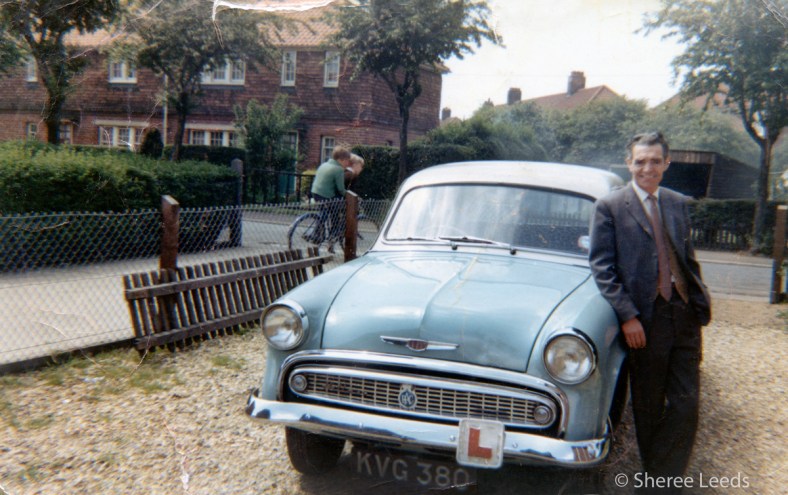
Going on from my last blog entry ‘Green to mud or bricks’, a certain ‘Fred Leeds’ appeared to me in the vision of this battered old photograph, taken in the mid-1960’s to validate some of my previous points, and to highlight that not all of those little spaces have been filled in as of yet.
Green to mud or bricks
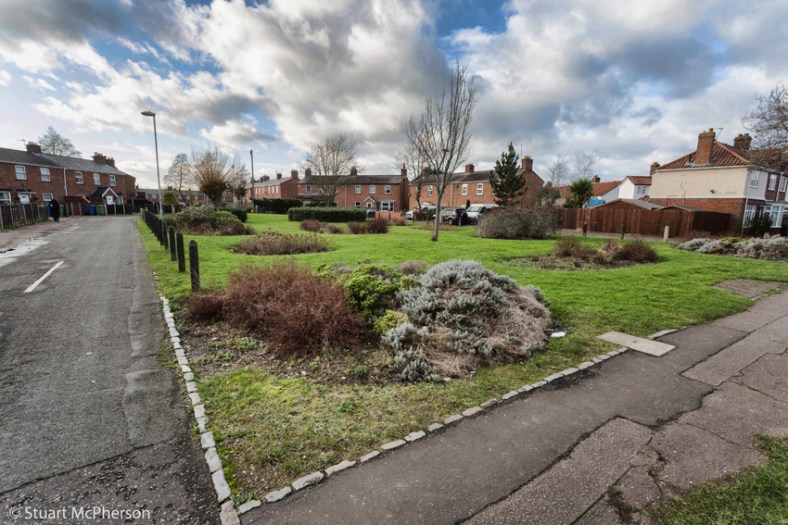
Green bits. The Estate was built with open space in mind. If you wander around the estate you’ll notice the big verges with tree-lined vistas, you’ll notice that most of the homes have been blessed with large gardens, you’ll also spot quite a few large, open greens. Some of the greens you may be familiar with were purposefully made as features of the Estate during its ‘Garden suburb’ inspired construction. Most of the open greens have survived the near 100-year life of the estate and remain in place, although not always given the attention or funding they deserve:
The brace of parks (mentioned in this previous blog entry) at Losinga Crescent on the Northern (and once-grand) entrance to the estate have survived mostly intact, although they are currently in a dire state.
The fairly pleasant green in the middle of Civic Gardens is still a prominent feature and it still retains most of its charm.
Continue reading “Green to mud or bricks”
Windmills
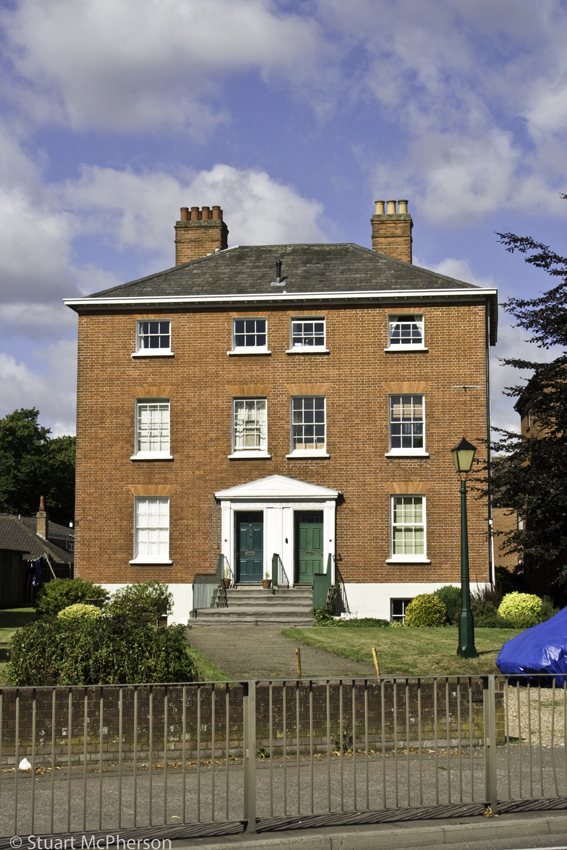
Back in the late 1800’s there were four windmills in the area of Mile Cross, two situated on the Eastern side of Aylsham Road (Catton) and two on the western side actually within the boundaries of Mile Cross, and it’s these two Mills that I shall be focussing on in the piece. The northernmost of these two Mile Cross Mills would have stood just behind the old Parsonage (the beautiful 3-storey Georgian Houses stood opposite the Windmill Pub) and it was owned by a Philip Rose, Miller and Baker.
Continue reading “Windmills”
Chalk and Putty
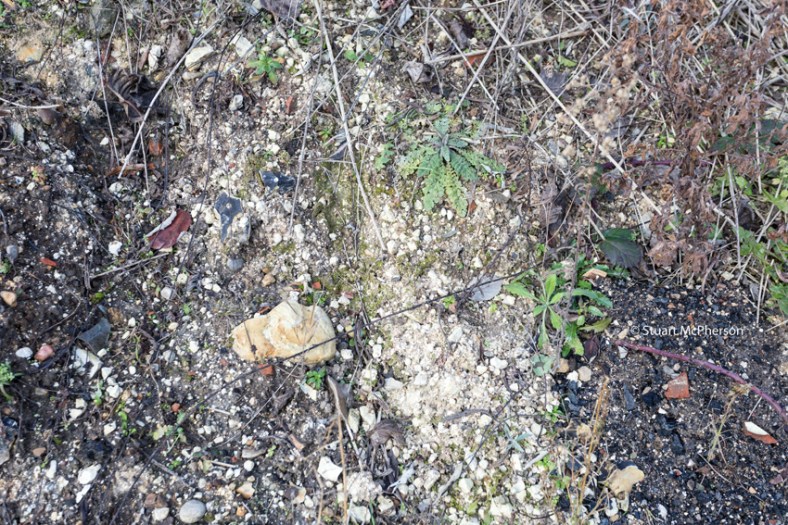
Our beloved Mile Cross is sat on a bedrock of chalk, and on top of this chalk sits the deposits of gravels and clay left behind when the Ice sheets receded during the last Ice age. For millennia after the Ice sheets retreated northwards from where they came, the Wensum has been hard at work, slowly stripping back those layers as it snakes its way back and forth across the landscape, digging out what is now the Wensum Valley and helping to define the topography of the Estate we are familiar with now.
As it does so it exposes the chalk bedrock making it easier for the many generations of humans to excavate:
Continue reading “Chalk and Putty”
SSSI
It might be a surprise to some to know that Mile Cross has its own little Nature reserve, comparable to the likes of Marston Marshes to the South of the City, only far more interesting and relatively unheard of.
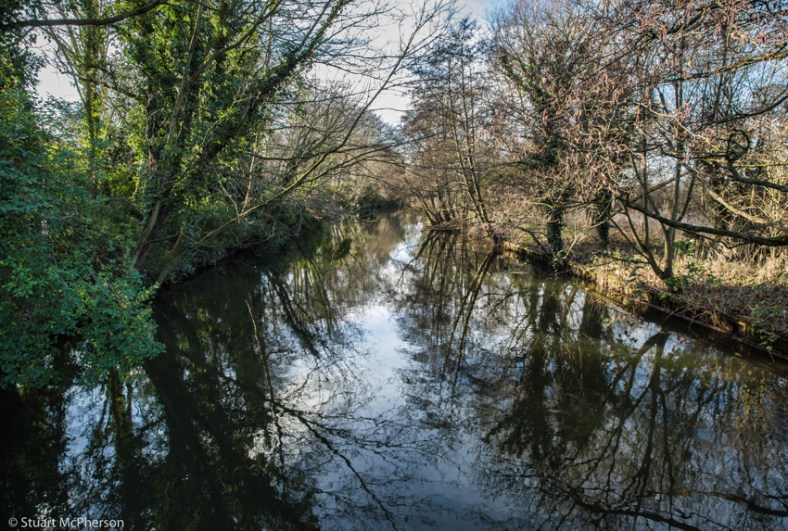
As the River Wensum slowly winds it way through the Norfolk Countryside on its journey from its source out near Whissonsett to its confluence with the Yare in Whitlingham, it moistens the Southern boundary of Mile Cross as it glides silently by.
Continue reading “SSSI”
I’m ‘Council’ and I’m also a human being.
When some people hear the phrase “Council Estate” they tend to form an image or opinion in their head. Often that image or those opinions can be slightly misguided. Read on…
The state of housing in the late Victorian era was becoming increasingly more dire as the century went on, partly because various initiatives to improve housing and sanitation had failed and partly because of a massive population explosion taking place in all of the major cities across the United Kingdom, further adding to the problem and ironically being the main reason that most of those initiatives were failing in the first place. The population of Norwich had more than doubled between 1801 and 1851 and this was leading to an increasingly severe shortage of housing and local amenities. Only the privileged tended to own their own homes whilst the rest of the working classes were left to put up with increasingly-expensive private rents whilst being restricted to the cramped and unsanitary conditions of the yards and terraces that were emerging all over Norwich as a by-product of the 19th century.
The housing and it’s associated welfare issues were becoming too large to ignore and It was time for change.
The Public Health act (which went by the rather catchy title: An act for consolidating and amending the Acts relating to Public Health in England ) was finally published in 1875 and in a nutshell it stated that state-owned housing needed to be built and that this housing needed to be built to a high standard; with running water, toilets and bathrooms, good light, plenty of space and with good local amenities.
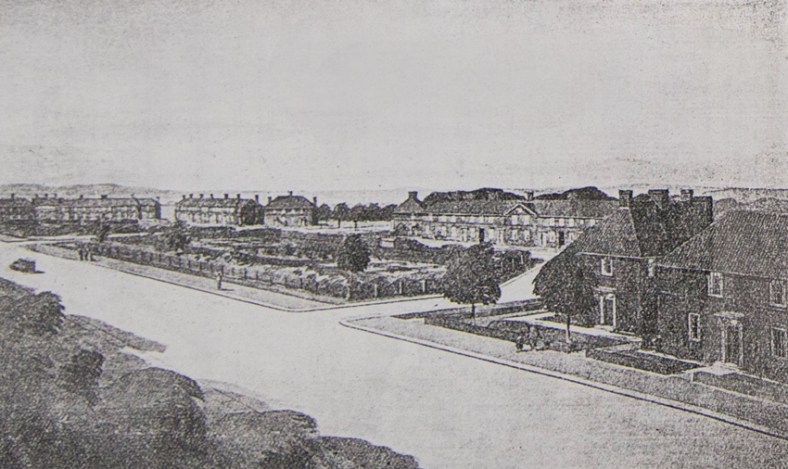
One of the drawings from the Mile Cross plan:
Continue reading “I’m ‘Council’ and I’m also a human being.”