What’s in a road name?

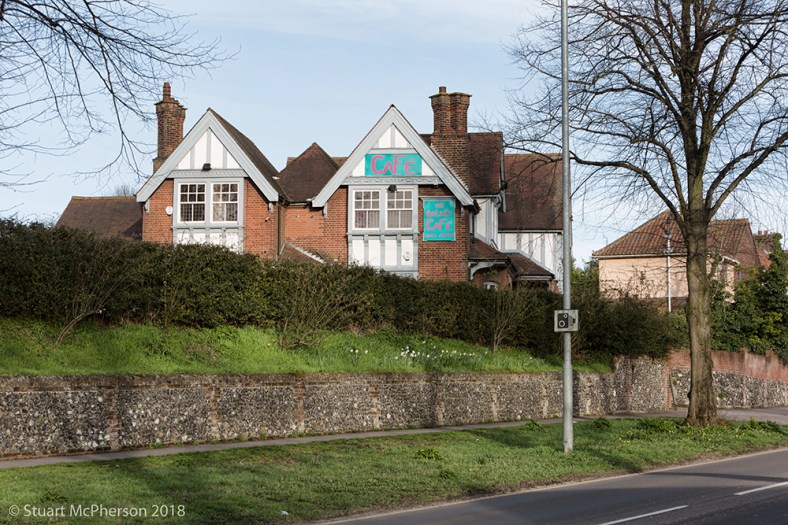
The Mile Cross Estate has some very interesting road names from a historical point of view so I thought I’d take a closer look at the history behind those battered old nameplates to try to ascertain what all those names mean and why. As it turns out most of the road names read to be a veritable “who’s who” of famous Norwich Citizens, albeit from an early 20th Century viewpoint and with a few Paston Family related place-names thrown in to the mix. I decided to take a look at most of the road names in what I call the ‘original’ part of Mile Cross as a Corporation-built Estate along with a few just outside of those now imaginary boundaries. The following list is what I have managed to come up with. Some of them were fairly obvious and easy to research but some were a little harder to figure out. I’ve tried my best to be as accurate as possible when it came to the naming conventions being applied in the early 1920’s but even if I haven’t necessarily found the correct person for the name-plate, the historical points made below are still legitimate and hopefully make for some interesting little glimpses into the past of our fine City:

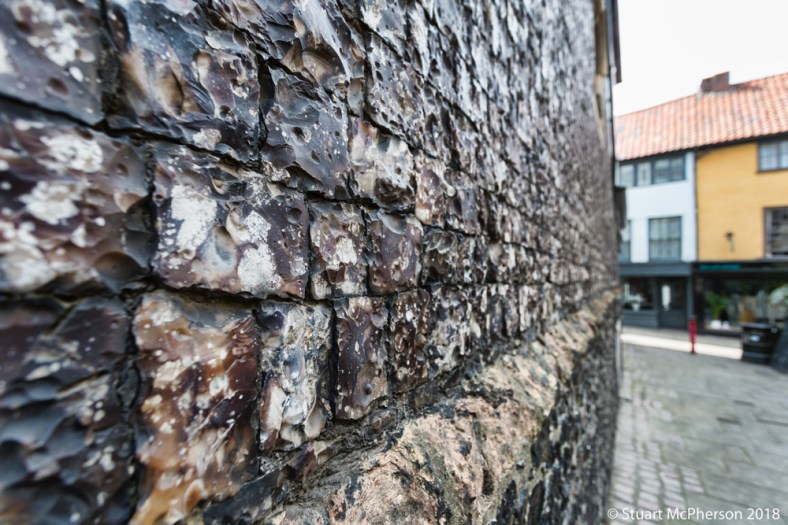
Appleyard Crescent – William Appleyard was 3 times sheriff and 5 times City Mayor. William was the first Mayor of the City after it became a shire incorporate in 1404. He owned a lot of property in the City and Inherited from his father the house that now incorporates the Bridewell Museum, famed for it’s finely-cut black flint bricks. William presented the City with a great tree to aid with building the new Guildhall. He also owned a lot of land to the South of the City, including Intwood, Bracon Ash and Hethel.
His father was given the rather odd responsibility of providing the King with 224 Herring Pasties whenever he visited the region.
RN4

Continue reading “What’s in a road name?”

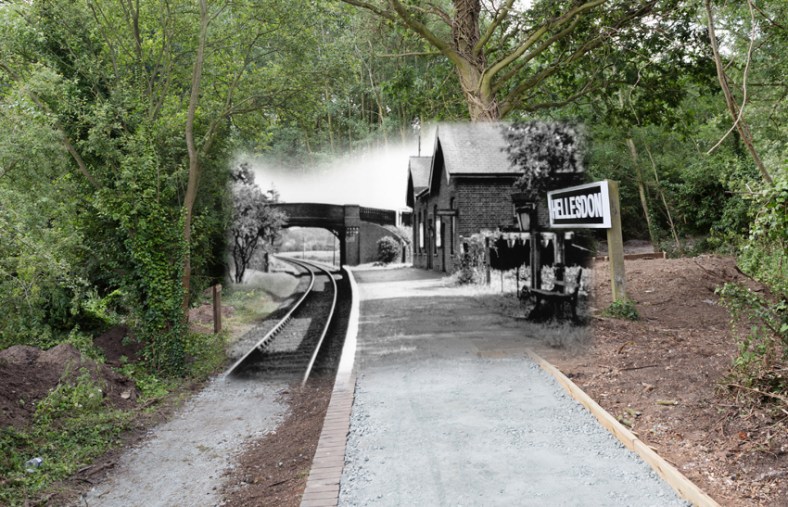
Hellesdon Station Part 3

Having written Hellesdon Station Parts 1 and 2 I thought I’d pretty much written all I could about this long-forgotten railway station, hidden away in a quiet little corner of old Hellesdon. I was wrong. Not long after hitting ‘submit’ and setting ‘Hellesdon Station Part 2’ free and into the wilderness of the world-wide interwebs, I was contacted by a lady who it seems was very glad to have found somebody else with a keen interest in this little part of very localised History. Continue reading “Hellesdon Station Part 3”

Mile Cross Depot

In 1958 Norwich City Council decided it would be a good idea to move their entire labour force to a brand new and centralised depot named The “Norwich City Works Department”. The new depot was to be located Just off Mile Cross Road, opposite Harmers Clothing Factory and the junction of Havers Road and it was to be built on 6.5 acres of former allotments and farmland situated in the fairly wide depression here at the bottom of the Wensum Valley.

The new depot officially opened its gates to its workforce in 1965, although most of the workers would have already being there for some time already, considering it was their job to construct their new premises. The marshy ground of the valley floor had been being steadily firmed-up since the Second World War when the area had was increasingly being used as a dumping ground for landfill and hard-core, most of being transferred here from the destroyed buildings of the nearby bomb sites around the St Benedict’s and Dereham Road area.

You can see it slowly taking over the allotment space as it’s being flattened out by a Corporation Steam Roller in this 1948 Britain From Above image of the area:

MXBFA Continue reading “Mile Cross Depot”

Video interlude

Just a quick entry to share a few heritage-related videos I’ve been involved with over the last few years that you lot might be interested in watching. None of them are about Mile Cross, but they’re not too far off. One covers the old M&GN railway from Norwich City and Hellesdon through to Melton Constable, one is about Sovereign House and Her Majesty’s Stationary Office and the third one is filmed a little further out, covering the former railways around Cromer.

All written and produced by my good friend Chris Richmond as part of his “Norfolk Uncovered” Youtube series and mostly starring the brilliant Mile Cross lad, John Batley (another good friend); I can also be spotted nervously mumbling away in a few of them –  As it turns out, I’m not designed to be filmed or photographed!

Anyway, grab yourself a cuppa and a biscuit (beer and wine are also probably available; check your fridge for availability) and enjoy!

The first up is this 22 minute offering following us as we head off up the old M&GN system, starting at the remains of City Station. Take note of how overgrown Hellesdon was looking back then, almost 5 years ago:

Continue reading “Video interlude”

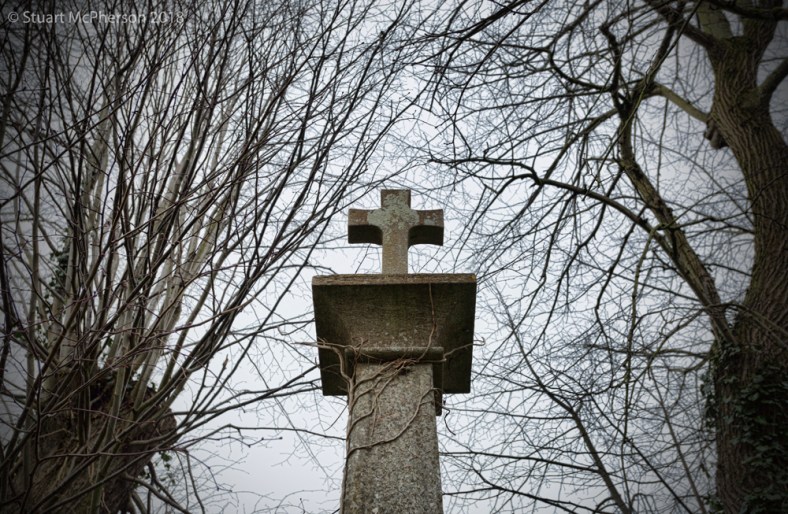
Crosses for miles

If you think of the original Mile Cross Estate as a triangle with the Southern point being where the Aylsham and Drayton Roads head off in separate directions towards their namesakes, the other two points of the estate triangle sit at either end of the aptly-named Boundary Road as the two roads leave the city and head off out into Norfolk.
Here the City and County of Norwich becomes (or became) the County of Norfolk.
County of Norwich? Yep, Norwich was still technically a County, even as recently as 1974. Back in 1404 the City of Norwich was made into a separate County (or a County Corporate) and it became independent from its host County of Norfolk. Like a lot of the rapidly-growing towns and Cities, Norwich was deemed important enough to become independent from its county, which (amongst other things) gave it a few extra privileges with regards to self-government that a City wouldn’t normally receive. Norwich was rapidly becoming England’s 2nd most important City only being out-ranked by London. An interesting point to add here is that the City of Norwich – inside the walls – was actually larger than the City of London. Continue reading “Crosses for miles”

When the bombs fell

I’ve already mentioned the Second World War a few times on this blog and it’s hardly surprising; the estate was built partly as a by-product of the First World War and before the freshly-planted trees and gardens had a chance to mature, the clouds of war were bubbling up once again, and It wouldn’t be too long before their shadows began to fall across the lands and its new estate once more. Continue reading “When the bombs fell”

Bloody vandals

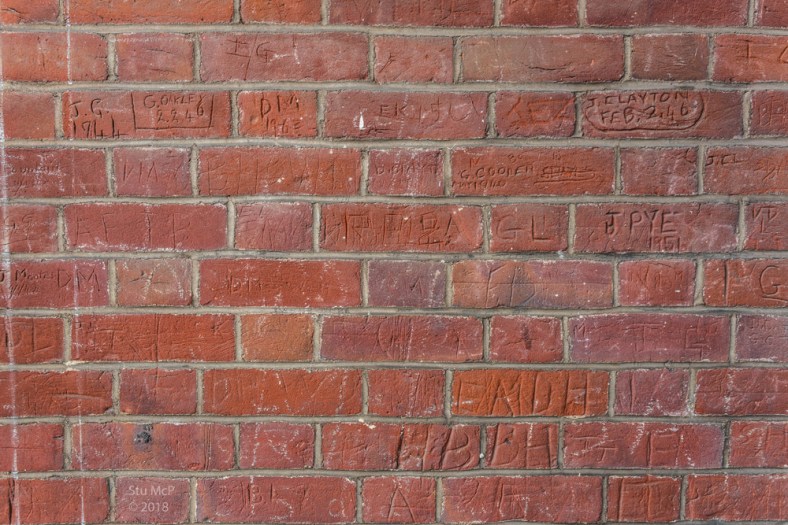
Just a short entry tonight after I spotted something of interest as I was dropping off some donations to the Hallswood Animal sanctuary Charity Shop on Drayton Road. On the wall opposite the entrance and next to one of the residential doors is a concentration of ‘graffiti’. On closer inspection some of the inscriptions are quite old. Admittedly they’re not going to get any of the medieval graffiti experts too excited but the shops were only built in 1929.
MXVandAfter a quick zoom in on Photoshop this small section of wall revealed quite a few initials and dates: Continue reading “Bloody vandals”