Charlie George – The Brickie who built his own Mile Cross Home.

As a young child who grew up on the estate during the 1980’s, there were quite a few familiar elderly Mile Cross residents whose friendly faces I’d regularly see as we made our way about. Quite a few of those gentle faces are etched into my memory, and now, when I’m wandering around the estate as a middle-aged man, on my way to the pub with my dad, popping to the shops, or simply out for a walk, usually wondering where all that time has gone, I’ll pass a particular house or spot and a memory will suddenly be triggered.

I love these little moments. They’re always unexpected and normally always a pleasure, and for a brief moment I’ll be dragged back to those hazy, rose-tinted days of innocent youth. Every now and then I’ll find myself wondering about those faces from the past and what there stories were.

What I hadn’t thought too much about as a child, when encountering these people, was that many of those elderly residents had most likely lived here since these homes were built in the 1920’s. They had probably seen a lot during their lives, growing up in a very different Norwich to the one I’d grown up in, and they must have watched Mile Cross, and the wider world, change around them.

One thing I’ve noticed over the years of researching the estate is that, until relatively recently, people around here didn’t move about very much. Families often stayed in the same home for decades, sometimes for many generations, which meant that many of these elderly residents had been here from the very beginning.

I have very vague memories of an elderly man tending to his front garden as we made our way noisily past on our way to school. I don’t remember much about him, but I do remember his face and the cheeky smile he’d give us as we made our past.

I later found out during the research phase of the ‘Mile Cross 100’ project that this particular friendly-faced old gentleman was Charlie George.

As a young man, Charlie was one of the hundreds of men employed after the First World War to build the new homes here on the Mile Cross Estate. He was as a bricklayer, who I think, rather wonderfully, eventually ended up living in one of the houses he helped to set out. A house that he would spend living in, not for a few years, but for the rest of his long and eventful life.

Charlie was born in 1904, while his parents lived in in an old cottage out at old Bowthorpe. Back then this area was the remnants of a lost medieval village surrounded by fields, rather than the 1970’s and 1980’s housing estate we know it as today.

The growing George family then moved a bit closer to the city and into one of the last of the Victorian-style terraced houses that are so prevalent throughout Heigham and Lower Hellesdon, however these last few old-style terraces were built in the early 1900’s, the very last of the old style of narrow terraces. The new George family home was located at the bottom end of Nelson Street, close to Heigham Street and Dial House and it was here that Charlie grew up.

He would eventually follow in the footsteps of his father, William George , who was also a skilled bricklayer, and had helped to build some impressive structures here in Norwich. Among other things, William had worked on the city’s Victorian sewer system and the impressively long wall that runs along Waterworks Road, which can still be admired today.

William had rather more stories to tell than your average bricklayer, too.

Continue reading “Charlie George – The Brickie who built his own Mile Cross Home.” →
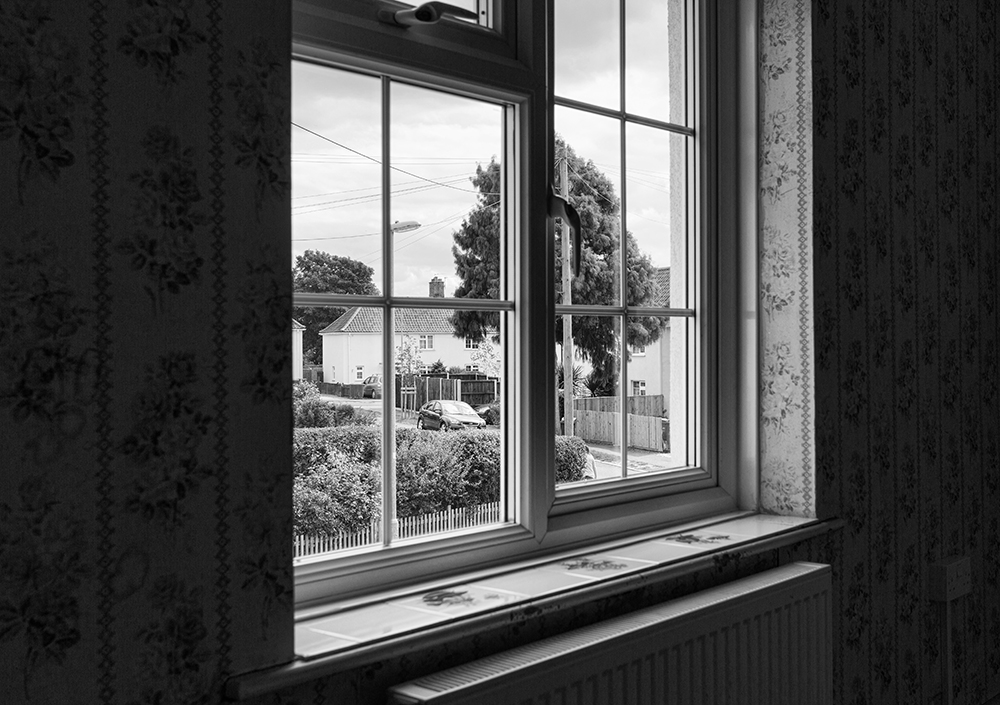
Curiosity leads to unexpected stories from my little corner of the Drayton Estate.

A quiet corner of the Drayton Estate as seen from the once-empty 3 Pinder Close

A while back I wrote a piece about a house just around the corner from mine that had stood empty for a few years (click to read). This house had barely been modernised over the years, and the more I delved into the history of this one particular house, the more interesting it became. Often is the case when researching your local history, following your nose often leads you down historical alleyways that you never expected to end up in, and more often than not, they end up being more fascinating than you ever could have imagined. And it’s this kind of follow-your-nose research that the MX100 research leads, myself included, had been teaching our fellow citizen researchers as we encouraged them to dig for interesting snippets of the estate’s history for the recent Mile Cross 100 project. Another part of this process was also asking for the public to provide us with their own stories about Mile Cross.

Continue reading “Curiosity leads to unexpected stories from my little corner of the Drayton Estate.” →

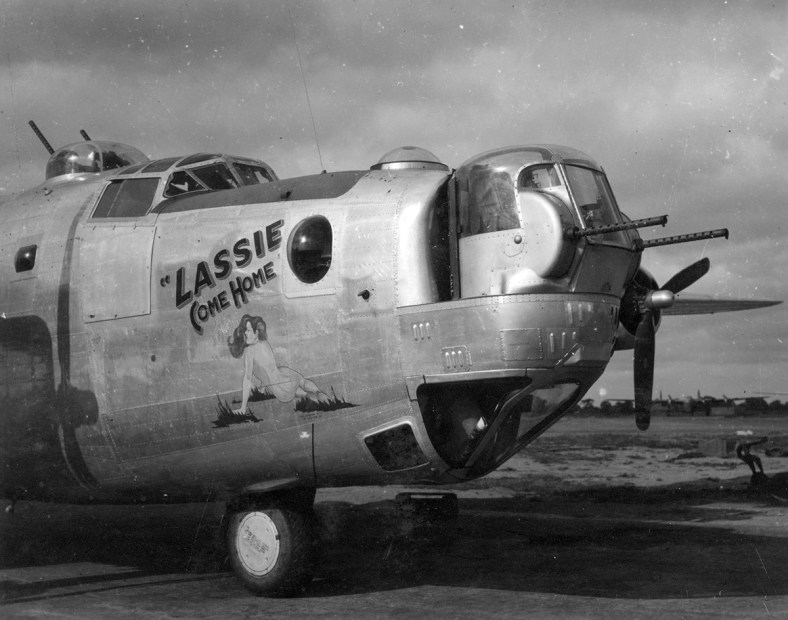
Lassie almost made it home.

This is a story that I have already written about in the past, over two separate pieces and I thought it was about time to merge the two old posts together to tell the whole story in one. It’s a story that demands attention and it makes far more sense to be able to read it all in one sitting.

In the very northern corner of the estate and just behind the Boundary Pub is a quiet little cul-de-sac named Spynke Road. Like a lot of the roads up there on the very fringes of the boundary it wasn’t always this quiet. Most of the roads adjoining Boundary Road were once connected directly to it, allowing for people to use it as a rat-run to avoid the increasing volumes of traffic building up on the increasingly-busy outer ring road. Soon these roads were deemed too unsafe for the local residents and it was decided that for everybody’s safety it would make sense to have them closed off. Because of these road closures the area now has a strangely quiet and closed-off feel, but with the unrelenting background drone of traffic. As annoying as that background droning may be to the visitors or new residents, the modern day residents of Spynke Road are probably more than happy for that to be the only drone they need to worry about, as will become apparent later on.

Continue reading “Lassie almost made it home.” →

A walk through old Mile Cross

Seeing as I’m stuck at home 23/7 and slowly losing my sanity due the boredom, I thought  I’d put together a little photographic tour of Mile Cross using some of the old pictures from some of the previous blog entries. Walk with me on an imaginary tour of Mile Cross, just bear in mind that you’ll need to gloss over the fact that the timeline is all over the shop and that the route is a bit nonsensical. 2020 has been a nonsensical year so far anyway, so it should be easy enough to tag along. Continue reading “A walk through old Mile Cross” →

A century of council housing in the City of Norwich.

With the 100th anniversary for the first ever council-built homes appearing in Norwich approaching quickly, along with the fact that I’ve been contacted by various people from the City Council to the national and local press to offer up my opinions, I thought I’d better type something up about this interesting and important anniversary and take a look back over the last century of social housing right here in Norwich. Before I start proper I’d better mention that some of this info has been taken from (and in some cases corrected) the centenary section on the City Council’s website, which I’ve sorted into a crude chronological order, added to, and worded in my own way; a lot of which I’ve also already written about previously during the last three years of this blog.

As I’ve touched upon – frequently – before; by the end of the First World War in 1918 there was a huge demand for housing in the cities and towns throughout Britain, the problem becoming so large that it was now an unavoidable one for the British Government. By 1919, Parliament had passed an ambitious Housing Act, or the creatively-named: “The 1919 Act” (also known as the ‘Addison Act’) which promised generous subsidies to help finance the construction of up to 500,000 houses within a three-year timescale.

Continue reading “A century of council housing in the City of Norwich.” →

Mile Cross disturbs the neighbours – Heigham.

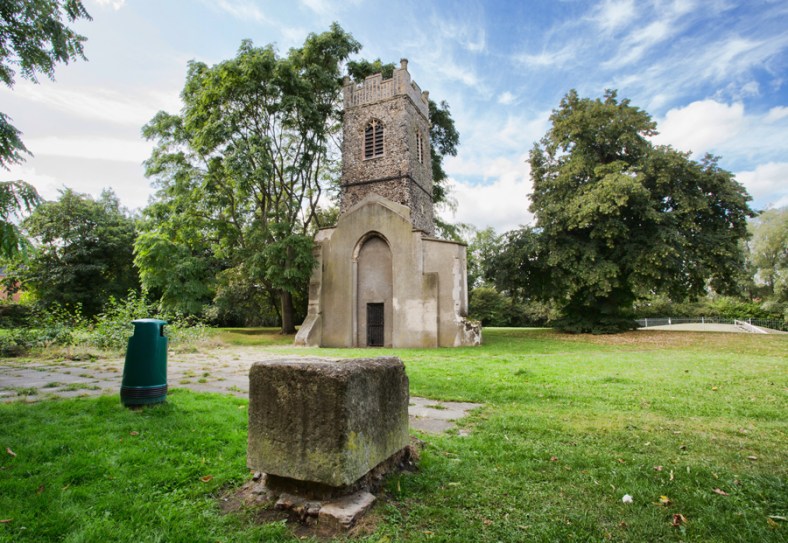
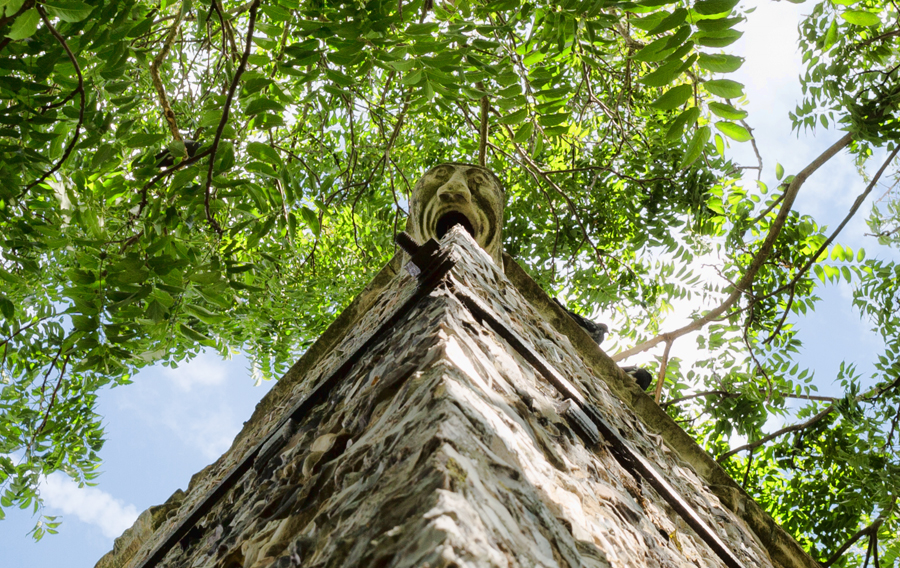
I haven’t written anything in a while as my head’s been in a bit of a muddle, but after popping out out for an evening walk with the kids a week or so back, a few bits and pieces of an old puzzle began to form in my head. We’d ended up just over the water from Mile Cross and in a little play-park situated in the corner of quiet and secluded green space that is probably missed by the majority of Norwich as they drive on past. I was sat on a swing hidden from the last dregs of the rush-hour traffic under the suspicious gaze of the tower of St Bartholomew’s. When I say tower; I mean just the tower, as that is all that remains of this former village church; and when I say gaze, I mean that I could literally feel the eyes of the surviving grotesques staring at me from the top of the nearby tower.

Ever feel like you’re being watched?

MC8 Continue reading “Mile Cross disturbs the neighbours – Heigham.” →

Lady Jane

It was a cold and miserable November day here in Norwich during the later stages of World War Two (24th November 1944) and the clouds were hanging heavy and grey over Horsham St Faiths Airfield. These low, heavy, lead-coloured clouds weren’t just blighting the Norwich skyline; they were stretched far across western Europe, putting a much-needed and very welcome pause to the deadly and destructive European Air War.

Sitting patiently upon the airfield’s aprons of Horsham St Faiths were a collection of freshly-fuelled American B-24 Liberators, waiting to be given the all-clear to head off and up into those grim and murky skies that were persistently lingering over Norfolk and out across the continent. The young American airmen crammed into these large bombers must have felt fairly relaxed, for today they wouldn’t be putting their lives in danger by heading out across the North Sea and deep into enemy airspace; instead, they were about to take advantage of this bad weather and head off up into the low-hanging clouds for some much-needed, low-visibility flight training. Continue reading “Lady Jane” →

Dick’s Story: Lassie Come Home.

You may have read the last blog entry about a tragic accident that happened on the estate towards the end of the Second World War. A Consolidated B-24 Liberator of the USAAF crashed on its final approach to the Horsham St Faith Airbase killing 8 of its 9 crew, two young children and changing the lives of their friends and family forever. If you haven’t read it already, I recommend that you do so first before reading this entry and that blog entry can be found by clicking this link.

After sharing the story on Social Media I was rather taken aback by the positive response it received and it has probably been the most-read (and commented) post of this blog so far.

One of the many people who commented on Social Media was a ‘Dick Kemp’. Dick (Richard) Kemp was the young lad whose garden the plane came down onto and it was his sister and cousin who were killed along with the American Airmen. Shortly after commenting on the post Dick sent me an email asking if I’d forward him the story so that he could share it with his extended family. Of course I obliged and emailed it over. It was another one of those fantastic moments where somebody who I’ve been researching or photographing the history of has appeared to me in person, just like when David Jackson appeared at one of my exhibitions a few years ago. Whilst I had this fine Gentleman’s attention I thought I’d chance my arm and ask him if he’d mind sharing his thoughts and memories on the incident.Aircraft_DiehlWreck_LassieComeHome_FOLD3 Continue reading “Dick’s Story: Lassie Come Home.” →

Lassie Come Home

AZON_Orig Lassie Come Home_WILLIAM CASEIn the northern corner of the estate and just behind the Boundary Pub is a quiet little cul-de-sac named Spynke Road. Like a lot of the roads up there it didn’t start off this way and used to share a junction with Boundary road. It has since been closed off to stop people rat-running through the estate and to reduce accidents along the now insanely busy Boundary Road. Because of these road closures the area now has a strangely quiet and closed-off feel but with the unrelenting background drone of of traffic. Continue reading “Lassie Come Home” →