A Mile Cross Time Capsule proves me wrong, and right all at the same time.

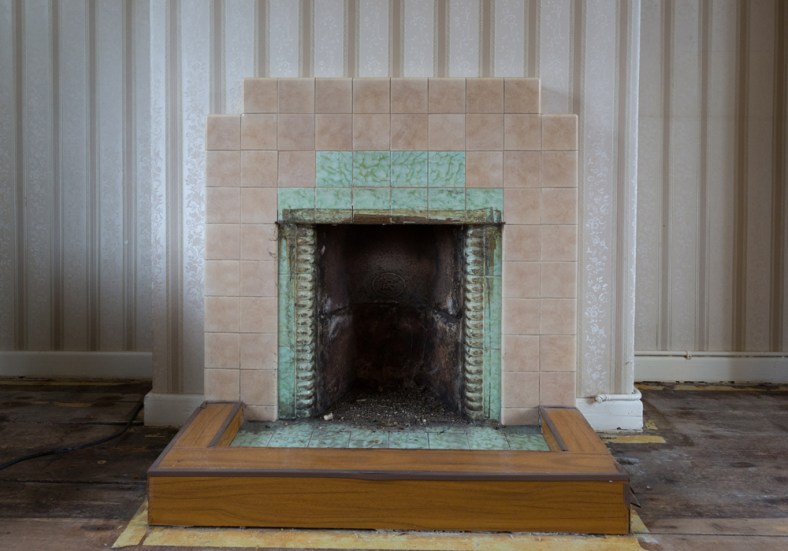
It seems like ages ago now that I was having a chat with one of my neighbours over my garden gate about the rather unique design of the particular style of houses that we live in on our Street and the subtle little differences in their designs and layouts. My particular house is one of the semi-detached, non-parlour, cottage-style, three bedroom houses that can only be found dotted around the Drayton Estate part of Mile Cross. To look at it from the outside it looks as though it’s exactly the same design as some of the three bed houses built along Bignold Road in longer terraces but it is fundamentally different in one major aspect, the Toilet.

Continue reading “A Mile Cross Time Capsule proves me wrong, and right all at the same time.”
Up Back River

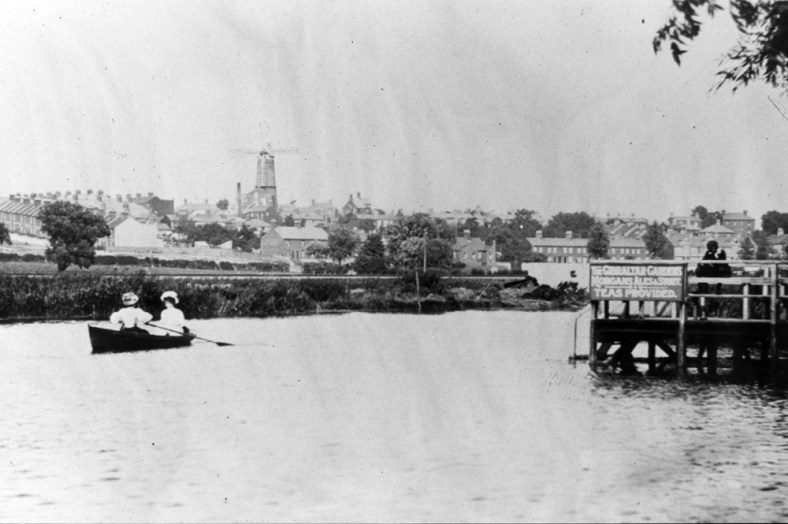
The River Wensum is a rare lowland chalk stream which snakes its way around this fine city from west to east as it drains these mostly-flat and low lands back out into the North Sea, but before its cool and crisp waters drop directly into the city centre over the sluices at New Mills, the river stealthily sneaks past between Heigham and Mile Cross, seemingly trying it’s best not to be noticed by the inhabitants. It manages to do so with a helping hand from the geography of the area and by mostly being hidden from our view by the overgrown bushes, wild tumble-down trees and untidy foliage lining its unkept and collapsing banks.

Somewhere along Back River.
Continue reading “Up Back River”

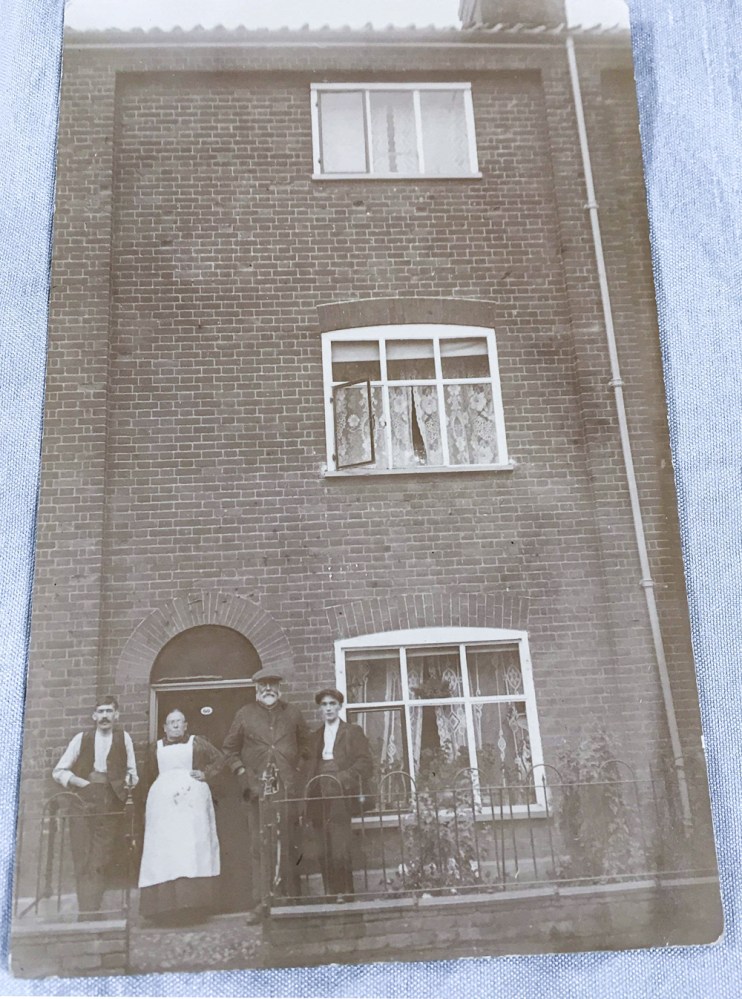
Aylsham Road. A window into the lives of a Mile Cross Family in the early 1900’s

As often happens, I stumbled upon a fascinating old photograph taken in my neck of the woods being shared on one of the many local history Facebook groups and it really caught my attention. The photograph was of a family proudly standing outside a large-looking house on Aylsham Road, not too far from the city end. Being the inquisitive sort of chap that at I am, I have often wondered about this particular area and the small collection of homes along here that once backed on to what is now Clapham Wood and the former Putty Pierce’s Lime kiln site. Continue reading “Aylsham Road. A window into the lives of a Mile Cross Family in the early 1900’s”

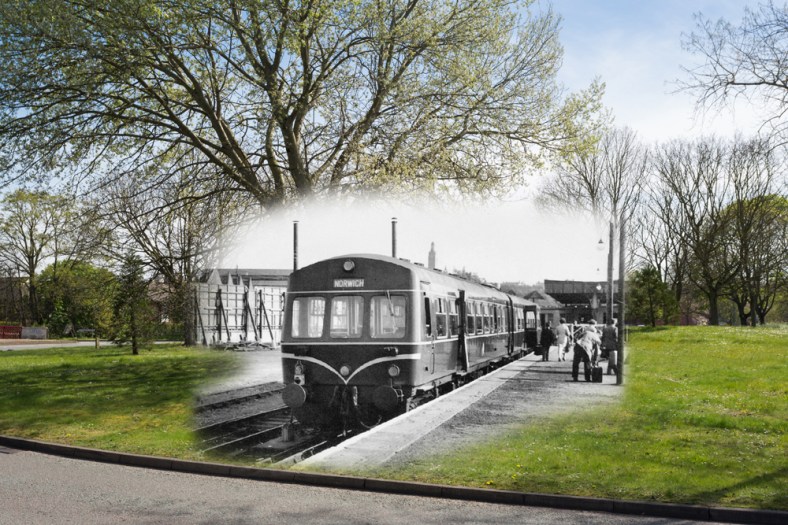
A ghost redone, redone. And a point, laboured…

I don’t normally dedicate a whole blog post to just one photograph, particularly one not taken inside Mile Cross, but this one has some history with a bit of a rant attached, and because the blurb for the original photograph on Flickr started to resemble a blog entry in itself, I thought I might as well drag it out a little for the sake of my sanity. Read on. Continue reading “A ghost redone, redone. And a point, laboured…”

H.M.S.O. Sovereign House.

I’ve been banging on about Anglia Square for some time now, mainly because it’s been hanging in the balance for what seems like an eternity but also because the scales of its future are now about to tip one way or another – but don’t worry – I’m not going to go off on one again about it all as I’ve written more than my fair share of opinions about the development lately. This will just be a fairly simple post put together to share some (actually, a load of) fantastic images taken of the area on which Anglia Square was built as Sovereign House reached for the sky back in the late 1960’s.

These pictures were kindly provided by Reg Walker, a former H.M.S.O. employee and guardian of the HMSOldies website who I had the fortune of meeting whilst being part of a film shot inside the abandoned Sovereign House back in 2012. To me this is a brilliant collection of high-quality images that offer us a fascinating insight in to what we currently refer to as Anglia Square and I’ll add a few notes to some of the images to highlight some of the interesting details that can be spotted if you look a little closer. Continue reading “H.M.S.O. Sovereign House.”

Watching TV and curiosity leads me right back to “the cross”.

The other evening I did something I rarely get the chance to do these days and that was to sit in my ‘old man’ armchair with my two cats curled up on my lap and watch a bit of telly. As I scanned the Virgin box to see what I’d been recording, I found a fairly new series going by the name of the ‘Bone Detectives’ which looks into the history of people and their surroundings by analysing their bones.

The episode I had decided to watch was looking into the past of the remains of three young bodies (a male child and two young teenage girls), unearthed in Leeds whilst clearing a site to build a posh-knobby shopping centre. As it turned out, these poor little souls were victims of the Industrial revolution and had literally been worked to death, with all the evidence pointing to the likelihood that they would have been working from dawn until night in a nearby cotton mill.

Continue reading “Watching TV and curiosity leads me right back to “the cross”.”

Anglia Square, A Love Story

Since writing this passionate piece about Anglia Square back at the end of 2018, I’ve spent about a year of my life involved with another Heritage Lottery Fund (HLF) project as a citizen researcher; delving into the history of, photographing and writing about our most infamous literal shopping corner (well four corners to be precise). The concrete-clad space-ship from the future of post-war Britain which crashed into Norwich-Over-The-Water. The not-quite-completed and misunderstood building project that people tend to either love or hate – Anglia Square:Sov17

Continue reading “Anglia Square, A Love Story”

A century of council housing in the City of Norwich.

With the 100th anniversary for the first ever council-built homes appearing in Norwich approaching quickly, along with the fact that I’ve been contacted by various people from the City Council to the national and local press to offer up my opinions, I thought I’d better type something up about this interesting and important anniversary and take a look back over the last century of social housing right here in Norwich. Before I start proper I’d better mention that some of this info has been taken from (and in some cases corrected) the centenary section on the City Council’s website, which I’ve sorted into a crude chronological order, added to, and worded in my own way; a lot of which I’ve also already written about previously during the last three years of this blog.

As I’ve touched upon – frequently – before; by the end of the First World War in 1918 there was a huge demand for housing in the cities and towns throughout Britain, the problem becoming so large that it was now an unavoidable one for the British Government. By 1919, Parliament had passed an ambitious Housing Act, or the creatively-named: “The 1919 Act” (also known as the ‘Addison Act’) which promised generous subsidies to help finance the construction of up to 500,000 houses within a three-year timescale.

Continue reading “A century of council housing in the City of Norwich.”

Mile Cross disturbs the neighbours – Heigham.

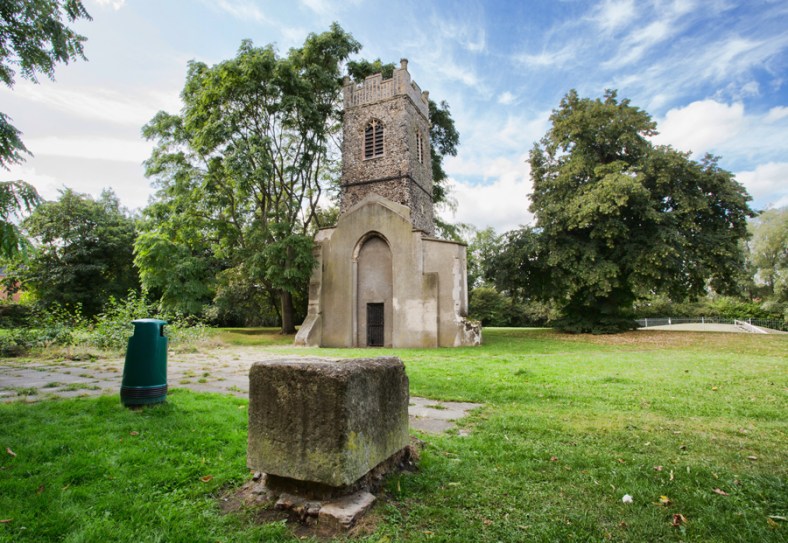
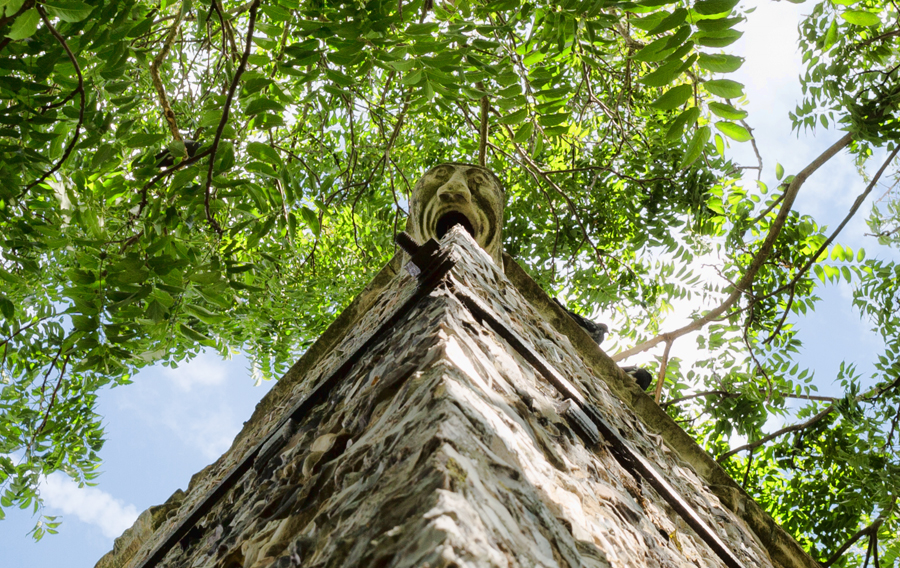
I haven’t written anything in a while as my head’s been in a bit of a muddle, but after popping out out for an evening walk with the kids a week or so back, a few bits and pieces of an old puzzle began to form in my head. We’d ended up just over the water from Mile Cross and in a little play-park situated in the corner of quiet and secluded green space that is probably missed by the majority of Norwich as they drive on past. I was sat on a swing hidden from the last dregs of the rush-hour traffic under the suspicious gaze of the tower of St Bartholomew’s. When I say tower; I mean just the tower, as that is all that remains of this former village church; and when I say gaze, I mean that I could literally feel the eyes of the surviving grotesques staring at me from the top of the nearby tower.

Ever feel like you’re being watched?

MC8 Continue reading “Mile Cross disturbs the neighbours – Heigham.”

Lady Jane

It was and a cold and miserable November day here in Norwich during the later stages of World War Two (November the 24th, 1944) and the clouds were hanging heavy and grey over Horsham St Faith’s Airfield. These low, heavy, lead-coloured clouds weren’t just blighting the Norwich skyline, they were stretched far across western Europe, putting a much-needed and very welcome pause to the deadly and destructive European Air War. Sitting patiently upon the airfield’s aprons of Horsham St Faiths were a collection of freshly-fuelled American B24 Liberators, waiting to be given the all-clear to head off and up into those grim and murky skies that were persistently lingering over Norfolk and out across the continent. The young American airmen crammed into these large bombers must have felt fairly relaxed, for today they wouldn’t be putting their lives in danger by heading out across the North Sea and deep into enemy airspace; instead, they were about to take advantage of this bad weather and head off up into the low-hanging clouds for some much-needed, low-visibility flight training. Continue reading “Lady Jane”